
How Calibration Integrates With Inspection and NCMR Processes

How Calibration Integrates With Inspection and NCMR Processes Calibration, inspection, and nonconforming material reporting (NCMR) are often treated as separate activities. In a mature ISO‑compliant quality system, these functions must operate as a single closed‑loop process to ensure traceability, compliance, and product safety. What Calibration Really Controls Calibration ensures that measurement devices produce accurate, repeatable […]
How to Perform an Out‑of‑Tolerance Impact Assessment | Calibration Risk & Traceability
How to Perform an Out‑of‑Tolerance Impact Assessment An Out-of-Tolerance (OOT) Impact Assessment is the required process for determining which products were measured with a device that experienced a failed calibration and whether those products are at risk. When a measuring device is found out of tolerance, the risk extends far beyond the instrument itself. Every […]
Understanding Calibration Management Systems | How Calibration Works & Why It Matters

Understanding Calibration Management Systems Calibration is essential for ensuring measurement accuracy, product quality, and regulatory compliance. Manual calibration tracking is time‑consuming, error‑prone, and difficult to scale. A calibration management system centralizes, automates, and controls the entire calibration lifecycle — improving reliability, traceability, and operational efficiency. What Is Calibration? Calibration is the process of comparing a […]
Microsoft Access Database Security Guidelines | Best Practices & Setup Tips
Microsoft Access Database Security Guidelines Protecting your Microsoft Access database is essential for maintaining data integrity, preventing unauthorized access, and ensuring compliance. Whether your database supports a single user or an entire department, following proven security practices dramatically reduces risk and strengthens long‑term reliability. Protecting Microsoft Access Databases Microsoft Access databases often contain valuable business […]
Multi‑User Microsoft Access Database Tips | Improve Performance & Prevent Corruption
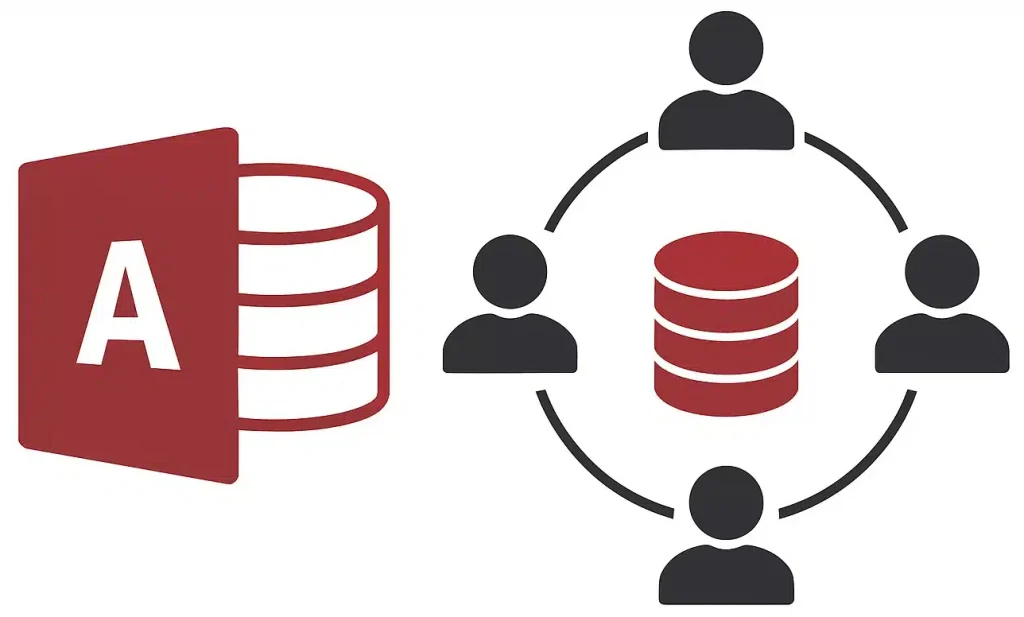
Multi‑User Microsoft Access Database Tips A multi user Microsoft Access database requires proper architecture, stable networking, and disciplined deployment to ensure performance and prevent corruption. When configured correctly, Access can support 5–25 simultaneous users with strong performance and minimal corruption risk — and even more when paired with SQL Server. Why Multi‑User Access Databases Fail […]
Why Consolidating Multiple Microsoft Access Databases Makes Sense
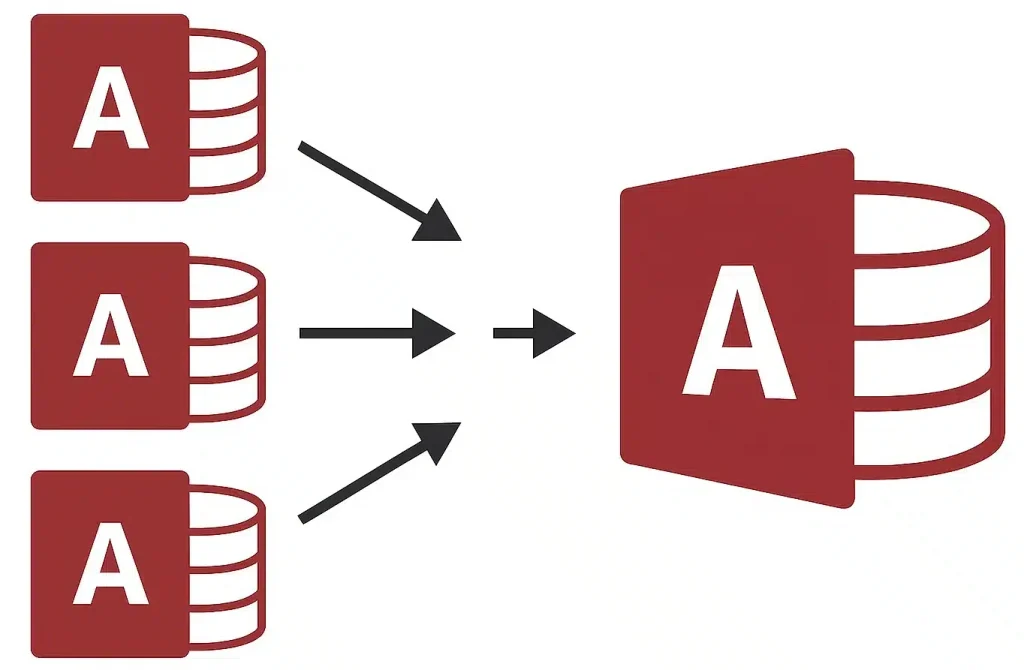
Why Consolidating Multiple Microsoft Access Databases Makes Sense Published Feb 2, 2026 Many organizations rely on Microsoft Access for departmental data management. Over time, this often leads to multiple standalone databases — each with its own tables, forms, queries, and workflows. Consolidating these databases into a unified, multi‑user system improves efficiency, strengthens data integrity, and […]
Microsoft Access vs SQL Server: Which Is Right for Your Business in 2026
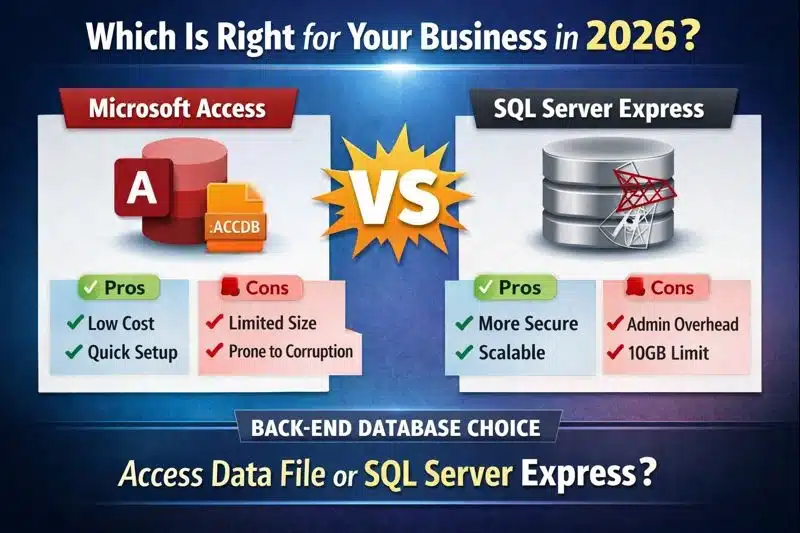
Microsoft Access vs SQL Server: Which Is Right for Your Business in 2026? Choosing between Microsoft Access and SQL Server is one of the most important technology decisions for growing businesses. If you are already evaluating an Upgrade from Access to SQL Server, understanding the strengths, limitations, and long‑term implications of each platform is essential. […]
Microsoft Access Database Optimization Tips
Microsoft Access Database Optimization Tips Microsoft Access database optimization is essential for improving performance, reducing file size, and ensuring long‑term stability in multi‑user environments. Microsoft Access is a powerful and widely used database platform, but performance issues can arise when databases grow, become heavily used, or are not maintained properly. Implementing proven optimization practices ensures […]
Access to SQL Server Migration Process: Steps, Best Practices, and Pitfalls
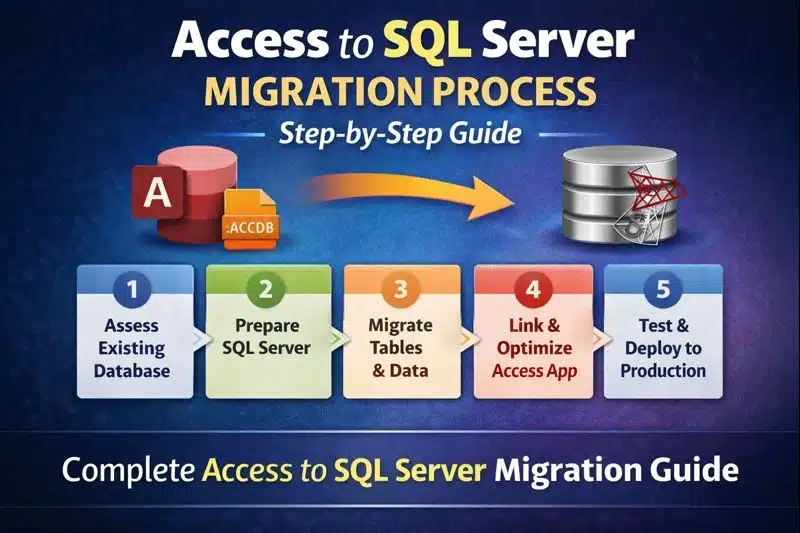
Access to SQL Server Migration Process: Steps, Best Practices, and Pitfalls Access to SQL Server Migration The Access to SQL Server migration process is the most reliable way to improve performance, scalability, and long‑term stability for growing Access applications. For a deeper overview of SQL Server integration, see our SQL Server Integration for Access. For […]
The Critical Role of “Condition as Found” in the Calibration Process | Why Most Companies Fail

The Critical Role of “Condition as Found” in the Calibration Process The “Condition as Found” step is one of the most important — and most overlooked — elements of the calibration process. It determines whether a measurement device was functioning correctly before calibration and whether any product measured with that device is now suspect. Most […]